
Keep worker routes separate from vehicle movements
After equipment has been selected, the site still needs a working plan for receiving it, keeping it accessible and reporting problems. Treat these as part of site coordination from the first crew to the final cleanup.
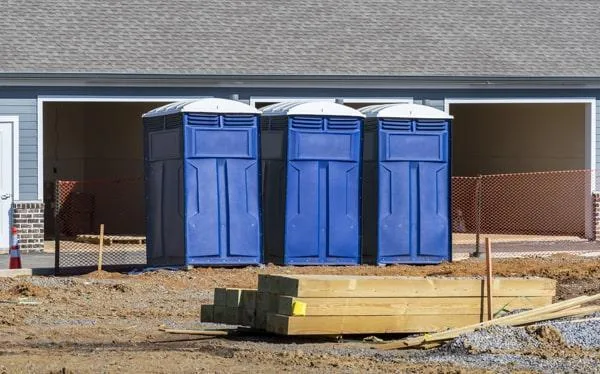
Mark the proposed restroom position on the current site plan, with pedestrian access that does not depend on crossing a loading or reversing area. Discuss the location with the responsible site team and provider; a sanitation order does not settle the employer’s overall workplace responsibilities.
A standard cabin may meet a basic toilet need, while washing and accessible provision require separate consideration. Specify those functions in the request instead of using the phrase construction unit as a complete equipment specification.
Give every visit a receiving arrangement
Identify the gate, check-in procedure, working hours relevant to access and the person able to resolve placement questions. Explain whether the site is occupied, fenced or shared with other trades. Do not put sensitive gate codes in publicly visible notes or URL parameters.
When material stacks, excavation or fencing change the route, notify the provider before the next service. Confirm whether the original position remains suitable. An unannounced move can leave both users and the service crew working from different instructions.
Inspect between visits and plan closeout
Have a site contact check that doors, approaches and supplies remain usable, then report shortages or damage through the agreed contact route. Cleaning, tank care, restocking and any extra visits should be written into the scope rather than assumed to follow a universal weekly timetable.
Before demobilization, confirm which workers still need facilities and when the removal vehicle can enter. Keep the route clear until collection actually takes place. Returning keys or removing temporary access too early can prevent the final visit.
Questions before you book
Can the site crew move a unit to clear new work?
Discuss the new position and handling with the provider first. Equipment movement and safe continued servicing need an agreed arrangement.
What if the normal contact is away?
Provide an alternate who knows the position, access instructions and approved service arrangement.